
Navigating the complex world of celebrity public relations requires a delicate balance of image crafting, crisis management, and strategic communication. This guide delves into the multifaceted strategies employed to build, protect, and enhance the public perception of prominent figures. From understanding core principles to leveraging social media effectively, we’ll explore the techniques that shape a celebrity’s career and public image.
Success in celebrity PR hinges on anticipating challenges, proactively managing narratives, and fostering authentic connections with audiences. This involves not only mitigating potential crises but also strategically building a positive and consistent brand identity across various platforms. We’ll examine the nuances of PR for different celebrity types, highlighting tailored approaches and showcasing successful case studies.
Defining Celebrity Public Relations
Celebrity public relations (CPR) is a specialized field focused on managing and shaping the public image of famous individuals. It’s about strategically controlling the narrative surrounding a celebrity’s career, personal life, and public persona to maximize their positive influence and minimize negative impact. The goal is to build and maintain a strong, consistent brand that resonates with their target audience and generates opportunities.Celebrity PR operates on core principles similar to general public relations, but with a heightened emphasis on maintaining a carefully curated image and leveraging the unique power of celebrity influence.
These core principles include strategic communication, crisis management, media relations, and reputation building. A key differentiator is the intense scrutiny and often unpredictable nature of the public’s interest in celebrities’ lives, both professional and personal. Effective CPR anticipates and responds to this scrutiny proactively, aiming to control the flow of information and shape public perception.
Core Principles of Celebrity Public Relations
Successful celebrity PR relies on a multi-faceted approach. Strategic communication involves crafting targeted messages designed to appeal to specific demographics and media outlets. Crisis management is crucial; it involves developing preemptive plans to address potential negative publicity and implementing swift, effective responses when issues arise. Media relations are vital for securing positive coverage and managing negative narratives.
This often includes building strong relationships with journalists and influencers. Reputation building is an ongoing process of cultivating a consistent and positive image through actions and consistent messaging. It requires carefully considered choices and a long-term vision.
Differences Between Celebrity PR and Corporate PR
While both celebrity and corporate PR share the common goal of managing public perception, there are key differences. Corporate PR focuses on building and maintaining the reputation of a company or brand, often with a broader, less intensely personal focus. Celebrity PR, on the other hand, centers on an individual, whose personal life is often as important, if not more so, than their professional achievements.
Corporate PR typically emphasizes product launches, financial performance, and corporate social responsibility. Celebrity PR is more concerned with maintaining a positive public image, securing endorsements, and managing personal controversies. The scope and intensity of media scrutiny are also significantly different; celebrities face a level of public attention far exceeding that experienced by most corporations. The strategies employed reflect these distinctions; corporate PR might utilize press releases and annual reports, while celebrity PR might rely heavily on social media engagement and carefully managed interviews.
Examples of Successful and Unsuccessful Celebrity PR Campaigns
The success or failure of a celebrity PR campaign is often determined by its ability to anticipate and effectively respond to public opinion. A successful example is Oprah Winfrey’s career-long cultivation of a relatable and trustworthy image, built on authenticity and consistent philanthropic efforts. Her media empire is a testament to the power of positive public relations and consistent brand management.
Conversely, an example of an unsuccessful campaign might be a celebrity involved in a scandal where a delayed or poorly managed response exacerbates the negative publicity, leading to significant damage to their reputation. The handling of such crises often defines the success or failure of a campaign. The specific strategies employed, the speed of response, and the transparency of communication all play significant roles in determining the outcome.
Crisis Management in Celebrity PR
Navigating a crisis is a critical aspect of celebrity public relations. A single negative event can irrevocably damage a celebrity’s reputation and career, impacting endorsements, fan loyalty, and future opportunities. Effective crisis communication strategies are therefore essential for minimizing damage and preserving a positive public image. This section Artikels key elements of a comprehensive crisis management plan.
Designing a Crisis Communication Plan
A robust crisis communication plan should be proactive, not reactive. It requires careful consideration of potential scenarios and the development of pre-emptive strategies. This includes identifying potential crises (e.g., legal issues, substance abuse allegations, social media controversies), designating a crisis communication team with clearly defined roles and responsibilities, and establishing communication protocols with key stakeholders (e.g., media, legal counsel, publicist, family).
The plan should Artikel steps for swift and decisive action, including the development of key messages and a timeline for disseminating information. A well-rehearsed plan allows for a coordinated and efficient response, minimizing confusion and maximizing control during a high-pressure situation. For example, a celebrity facing a DUI charge would have a pre-prepared statement acknowledging the mistake, expressing remorse, and outlining the steps being taken to address the situation (e.g., attending rehab, participating in community service).
Strategies for Mitigating Negative Publicity
Mitigating negative publicity requires a multi-pronged approach. Transparency and honesty are crucial; acknowledging mistakes and taking responsibility demonstrates accountability. A well-crafted public statement addressing the situation directly and empathetically can help control the narrative. Strategic use of media relations can involve proactively reaching out to key journalists and providing information to counter negative reports. Focusing on positive aspects of the celebrity’s life and career can help balance negative news coverage.
For instance, if a celebrity is involved in a minor controversy, their publicist might focus on highlighting their recent charitable work or upcoming projects to shift the public focus. Furthermore, proactive legal action may be necessary in cases of defamation or false reporting.
The Role of Social Media in Crisis Management
Social media plays a significant role in both generating and managing crises for celebrities. It’s a powerful tool for rapid communication but also a breeding ground for misinformation and negative sentiment. Monitoring social media for emerging issues is crucial. Responding to negative comments and addressing misinformation directly and professionally is essential. However, avoiding engagement with trolls and inflammatory comments is equally important.
Social media posts during a crisis should be carefully crafted, consistent with the overall communication strategy, and aligned with the key messages. A celebrity’s personal social media accounts might be temporarily deactivated or monitored closely during a crisis to prevent further damage. Alternatively, a carefully planned and controlled message might be released via their official social media channels.
Responding to Online Attacks
Responding to online attacks requires a measured and strategic approach. The first step involves identifying the nature and extent of the attacks. This includes determining the platforms involved, the type of attacks (e.g., cyberbullying, harassment, doxxing), and the individuals or groups responsible. Next, the team should decide whether to respond directly to the attacks or to take a more passive approach.
If a response is deemed necessary, it should be carefully crafted and delivered through appropriate channels. This may involve issuing statements, engaging with supportive comments, or reporting abusive content to the relevant platforms. In some cases, legal action may be necessary to address defamation or harassment. Ignoring certain attacks, especially those from known trolls, can also be a very effective strategy, as it deprives them of the attention they seek.
Building and Maintaining a Positive Public Image
Building a positive public image is paramount for any new celebrity, laying the foundation for a successful and enduring career. It’s a strategic process that requires careful planning, consistent effort, and a deep understanding of the target audience. This involves not only showcasing talent but also cultivating a persona that resonates with the public and fosters genuine connection.
A Comprehensive Strategy for Building a Positive Public Image
A successful strategy for building a positive public image for a new celebrity involves a multi-pronged approach. It begins with defining the celebrity’s core values and brand identity. This core identity should be authentic and reflect the individual’s personality and talents. Once established, this core identity should be consistently communicated across all platforms. Strategic partnerships with reputable brands and organizations can also significantly enhance credibility and public perception.
Furthermore, proactive engagement with fans through social media and other channels fosters a sense of community and loyalty. Finally, crisis communication planning is crucial to mitigate potential negative publicity and maintain a positive image even in challenging situations. For example, a rising musician might partner with a youth charity, aligning their image with social responsibility while simultaneously engaging with a key demographic.
Key Elements Contributing to a Strong Celebrity Brand
Several key elements contribute to the strength of a celebrity brand. Authenticity is crucial; fans are drawn to genuine personalities. Consistency in messaging and actions is also vital, maintaining a unified brand image across all platforms. A clear brand identity, encompassing values and personality traits, helps to create a memorable and recognizable image. Positive associations with reputable brands or causes can further enhance the celebrity’s image and appeal to specific demographics.
Finally, strategic engagement with fans through social media and other channels helps build a loyal following and fosters a sense of community. Consider the example of a successful actor who consistently supports environmental causes; this consistency reinforces their positive image and strengthens their brand.
Consistent Messaging Across All Platforms
Maintaining consistent messaging across all platforms is critical for building a strong and cohesive celebrity brand. Inconsistency can confuse the audience and damage credibility. A unified message should be crafted and carefully disseminated across all channels, including social media, interviews, public appearances, and collaborations. This requires a well-coordinated team effort and a clear understanding of the desired brand image.
For example, a celebrity chef should maintain the same culinary style and persona whether they are on their television show, posting on Instagram, or participating in a cooking competition. Inconsistency, such as displaying a drastically different personality in different contexts, could damage the carefully constructed image.
Different Approaches to Image Building for Different Celebrity Personas
The approach to image building varies considerably depending on the celebrity’s persona and target audience. A serious, dramatic actor might cultivate an image of intensity and depth, while a comedic actor might emphasize their lighthearted and relatable nature. A musician might focus on their artistic vision and musical style, while an athlete might highlight their dedication, skill, and competitive spirit.
For instance, a serious, Oscar-winning actor might primarily focus on high-profile interviews and appearances at prestigious events, while a popular pop star might engage more heavily with fans through social media and frequent public appearances. These different strategies are tailored to resonate with the specific audience each celebrity is targeting.
Leveraging Social Media for Celebrity PR
In today’s digital landscape, a robust social media presence is no longer optional but essential for celebrities seeking to connect with their audience and maintain a positive public image. Effective social media strategies are crucial for building brand loyalty, driving engagement, and managing potential crises. This section explores the multifaceted role of social media in modern celebrity public relations.
A well-defined social media strategy is paramount for a celebrity aiming to increase engagement. It requires a deep understanding of the target audience, the platforms they frequent, and the type of content that resonates with them. This strategy should encompass consistent posting, interactive content, and a clear brand identity.
Developing a Social Media Strategy for Increased Engagement
A successful social media strategy begins with identifying the celebrity’s key demographics and online behavior. This involves analyzing existing fan bases across different platforms to determine which platforms are most effective for reaching the target audience. Once the ideal platforms are selected, a content calendar should be developed, outlining the types of posts, frequency of posting, and overall tone of the online presence.
This calendar should include a mix of curated content (e.g., professional photoshoots, behind-the-scenes glimpses) and user-generated content (e.g., reposting fan art, responding to comments). Regularly analyzing engagement metrics (likes, shares, comments) allows for ongoing optimization and refinement of the strategy. For example, if posts with video content consistently outperform static images, the strategy should shift to prioritize video.
This data-driven approach ensures the celebrity’s social media presence remains relevant and engaging.
Building Relationships with Fans and Media
Social media provides unparalleled opportunities for celebrities to foster genuine connections with their fans. Direct engagement through responding to comments and messages, hosting Q&A sessions, and running contests fosters a sense of community and loyalty. Moreover, social media platforms can facilitate relationships with media outlets. By actively engaging with journalists and bloggers on relevant platforms, celebrities can control the narrative, build positive relationships with media professionals, and increase their media visibility.
For instance, a celebrity could share exclusive content or participate in online interviews to cultivate stronger media ties. Transparency and authenticity are key to building trust with both fans and the media.
Best Practices for Managing a Celebrity’s Online Presence
Maintaining a positive online presence requires proactive management and a crisis communication plan. This includes establishing clear guidelines for social media usage, appointing a dedicated social media manager (or team), and monitoring the celebrity’s online reputation. Regularly checking for negative comments or mentions allows for swift and effective responses, preventing minor issues from escalating into major crises. Furthermore, implementing robust community management practices, such as promptly addressing negative feedback and engaging with positive comments, helps to build a strong and supportive online community.
A clear brand voice and consistent visual identity across all platforms are also crucial for maintaining a cohesive and professional image.
Examples of Effective Social Media Campaigns for Celebrities
Several celebrities have successfully leveraged social media to enhance their public image and increase engagement. For example, Oprah Winfrey’s use of Instagram for sharing inspiring messages and behind-the-scenes glimpses of her life has cultivated a strong and loyal following. Similarly, many musicians have successfully used platforms like TikTok for creative content and interactive challenges, boosting their reach and engagement.
These examples highlight the potential of social media for enhancing a celebrity’s brand and building stronger relationships with their fans.
Social Media Platform Comparison for Celebrity PR
Choosing the right social media platform is crucial for effective celebrity PR. Each platform offers unique advantages and disadvantages.
| Platform | Pros | Cons | Best Use Case |
|---|---|---|---|
| High visual appeal, strong community engagement, excellent for showcasing lifestyle and behind-the-scenes content. | Algorithm can be unpredictable, requires high-quality visual content. | Building a strong visual brand, showcasing personality and lifestyle. | |
| Real-time engagement, direct communication with fans and media, ideal for breaking news and quick updates. | Character limits can be restrictive, negativity can spread quickly. | Sharing quick updates, engaging in real-time conversations, responding to news and trends. | |
| Large user base, effective for building communities and running targeted advertising campaigns. | Less immediate engagement compared to Twitter, algorithm prioritizes paid content. | Building a large fan base, running contests and promotions, reaching specific demographics. | |
| TikTok | High viral potential, ideal for reaching younger audiences, encourages creative and engaging short-form video content. | Algorithm can be challenging to master, content needs to be highly engaging to succeed. | Reaching younger demographics, increasing brand awareness through viral trends and challenges. |
Public Relations Strategies for Different Celebrity Types
Effective public relations strategies are crucial for navigating the complexities of celebrity life, but these strategies must be tailored to the specific circumstances and career trajectory of each individual. A one-size-fits-all approach rarely works, and understanding the nuances of different celebrity types is paramount for success.
A-List Celebrities versus Rising Stars: Contrasting PR Approaches
A-list celebrities, with their established reputations and extensive media coverage, require a different PR approach than rising stars still building their brand recognition. A-list celebrities often focus on maintaining their existing image, carefully managing public appearances and endorsements to avoid tarnishing their carefully cultivated persona. Their PR efforts may involve high-profile campaigns, strategic partnerships with luxury brands, and managing media narratives to maintain a consistent, positive image.
In contrast, rising stars prioritize building brand awareness and establishing a strong public profile. Their PR strategies often involve securing media coverage in relevant publications, actively engaging with fans on social media, and cultivating relationships with key industry players. The focus is on creating a compelling narrative and building a loyal fanbase.
Public Relations Approaches for Specific Celebrity Niches
Musicians rely heavily on creating buzz around new releases, leveraging social media for fan engagement and building anticipation. Their PR efforts often involve securing interviews, managing relationships with music critics, and organizing events such as concerts and album release parties. Actors, on the other hand, focus on securing roles in high-profile projects, generating excitement around film releases, and managing their image through red carpet appearances and interviews.
Their PR strategies often involve working with publicists specializing in film and television, creating compelling character narratives, and leveraging media opportunities to promote their projects. Athletes’ PR focuses on performance achievements, endorsements, and maintaining a positive public image, often navigating controversies and managing media scrutiny. Influencers, finally, focus on building a strong personal brand, engaging with their audience on social media, and collaborating with brands on sponsored content.
Their PR strategies involve consistent content creation, strategic partnerships, and maintaining authenticity to retain their audience’s trust.
Case Study: A Successful PR Campaign for a Musician
Taylor Swift’s re-recording of her early albums serves as a compelling case study in successful celebrity PR. Facing challenges with the ownership of her master recordings, Swift’s decision to re-record her music was not only a business strategy but also a shrewd PR move. By framing this action as a reclamation of her artistic ownership and a direct response to fan support, she successfully generated positive media coverage, increased album sales, and solidified her image as a powerful female artist advocating for artist rights.
This proactive and emotionally resonant strategy resonated deeply with her fanbase and broader audiences, resulting in significant commercial and critical success.
PR Tactics Tailored to Various Celebrity Niches
| Celebrity Niche | PR Tactics | Key Objectives | Example |
|---|---|---|---|
| Film Actors | Red carpet appearances, interviews, magazine features, social media engagement, film premieres | Build anticipation for film releases, maintain positive image, increase box office success | Promoting a new superhero film through targeted media appearances and social media campaigns. |
| Musicians | Album release campaigns, concert announcements, music video releases, social media engagement, radio interviews | Generate excitement for new music, increase album sales, build fanbase | Utilizing streaming platforms and viral social media trends to promote a new single. |
| Athletes | Press conferences, endorsements, charity work, social media engagement, highlight reels | Maintain positive public image, attract sponsorships, celebrate achievements | A high-profile athlete partnering with a sportswear brand for a new product launch. |
| Influencers | Social media content creation, brand collaborations, blog posts, live streams | Build personal brand, engage audience, generate income through sponsorships | An influencer partnering with a beauty brand for a product review and giveaway. |
Measuring the Success of Celebrity PR Campaigns
Accurately measuring the success of a celebrity PR campaign is crucial for demonstrating return on investment (ROI) and informing future strategies. Effective measurement requires a multifaceted approach, combining quantitative data with qualitative analysis to provide a comprehensive understanding of campaign impact. This involves tracking various metrics across different platforms and analyzing the overall shift in public perception.
Metrics for Evaluating Campaign Effectiveness
Several key metrics are used to evaluate the effectiveness of a celebrity PR campaign. These metrics offer a quantifiable way to assess the reach, engagement, and impact of PR efforts. The specific metrics chosen will depend on the campaign’s objectives, but a combination of these provides a robust evaluation.
- Media Mentions: This tracks the number of times the celebrity is mentioned in various media outlets (newspapers, magazines, websites, blogs, television, radio). A higher number of mentions generally indicates greater reach and brand awareness.
- Social Media Engagement: This includes metrics like likes, shares, comments, and retweets on platforms such as Twitter, Instagram, and Facebook. High engagement suggests a positive response to the campaign and strong audience connection.
- Website Traffic and Search Rankings: Increased website traffic and improved search engine rankings () for the celebrity’s name or related s indicate a successful campaign in driving online interest and visibility.
- Brand Sentiment Analysis: This involves analyzing the tone of media coverage and social media conversations to determine whether the sentiment towards the celebrity is positive, negative, or neutral. Positive sentiment is a key indicator of a successful campaign.
- Sales Figures (if applicable): For campaigns focused on endorsements or product launches, tracking sales figures provides direct evidence of the campaign’s effectiveness in driving revenue.
Key Performance Indicators (KPIs) in Celebrity PR
KPIs provide specific, measurable targets for a celebrity PR campaign. Setting clear KPIs from the outset allows for a focused evaluation of the campaign’s success against pre-defined goals.
- Reach: The total number of people exposed to the campaign messaging. This can be measured through media impressions, social media reach, and website traffic.
- Engagement Rate: The percentage of the audience that actively interacts with the campaign messaging. This is often calculated as the number of likes, shares, comments, etc., divided by the total reach.
- Sentiment Score: A numerical representation of the overall positive or negative sentiment expressed towards the celebrity. This is often derived from sentiment analysis tools that process large volumes of data.
- Brand Awareness: The percentage of the target audience that is familiar with the celebrity and/or their brand. This can be measured through surveys or brand recall studies.
- Return on Investment (ROI): The net profit generated by the campaign compared to the cost of implementing it. This is a crucial KPI for demonstrating the financial value of the PR efforts.
Tracking Media Coverage and Public Sentiment
Effective tracking of media coverage and public sentiment requires a systematic approach that leverages both manual and automated methods. This allows for a comprehensive understanding of how the public perceives the celebrity and the campaign’s impact.
Media monitoring tools can automatically track mentions across various online and offline sources, providing detailed reports on the volume, tone, and context of the coverage. Social listening tools can analyze social media conversations, identifying key themes, trends, and sentiments related to the celebrity. Manual analysis of key media outlets and social media platforms complements these automated tools, providing a deeper understanding of the nuances of the coverage and public sentiment.
Reporting System for Monitoring Campaign Impact
A comprehensive reporting system should be designed to track and analyze the data gathered throughout the campaign. This system should provide regular updates on key metrics, allowing for timely adjustments to the strategy if needed.
The system should include dashboards that visually represent key KPIs, allowing for easy monitoring of progress towards goals. Regular reports should be generated, summarizing campaign performance and highlighting key insights. These reports should be shared with stakeholders to ensure transparency and accountability. The reporting system should also facilitate the comparison of campaign performance against benchmarks and industry standards.
The Role of Public Relations in Shaping Public Perception
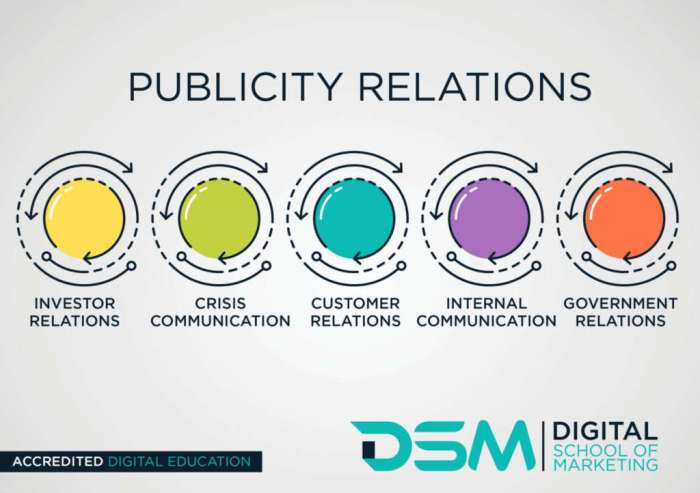
Public relations plays a pivotal role in shaping how the public perceives celebrities. It’s a constant process of managing and influencing the narrative surrounding a celebrity’s image, actions, and career, often impacting their overall success and longevity in the public eye. This influence extends beyond simple promotion; it involves crafting a carefully constructed persona and navigating the complexities of public opinion.Public relations strategies directly impact a celebrity’s public image, shaping perceptions of their personality, talent, and character.
Through strategic media outreach, carefully crafted messaging, and crisis management, PR professionals can cultivate a positive image, mitigate negative publicity, and ultimately control the narrative surrounding their client. This influence is particularly potent in today’s media landscape, where information spreads rapidly and public opinion can shift dramatically in short periods.
Ethical Considerations in Celebrity Public Relations
Ethical considerations are paramount in celebrity public relations. Maintaining transparency, honesty, and accuracy in all communications is crucial. PR professionals face ethical dilemmas concerning the portrayal of their clients, including the temptation to exaggerate achievements, downplay negative aspects, or create misleading narratives. Ethical lapses can severely damage a celebrity’s reputation and career, even leading to legal repercussions.
A strong ethical foundation, adhering to professional codes of conduct, and prioritizing integrity are essential for long-term success and maintaining public trust. For example, fabricating endorsements or creating false narratives about a celebrity’s charitable work is unethical and could lead to significant damage if discovered.
The Impact of Negative PR on a Celebrity’s Career
Negative publicity can severely damage a celebrity’s career, leading to lost opportunities, damaged relationships with sponsors, and a decline in public favor. A single negative event, such as a scandal or controversial statement, can overshadow years of positive work and create lasting damage to their image. The spread of misinformation or negative reviews through social media and traditional media can rapidly escalate a situation, leading to significant career setbacks.
For instance, the career of a musician accused of plagiarism might suffer significantly, leading to boycotts, loss of record deals, and damaged fan loyalty.
Managing a Celebrity’s Reputation Through Public Relations
Effective public relations can significantly help manage and repair a celebrity’s reputation. Proactive strategies, such as consistent positive media coverage, strategic philanthropy, and engagement with fans on social media, can build a strong foundation. However, even with the best proactive strategies, crises will inevitably occur. In these instances, a well-defined crisis communication plan is crucial. This involves swift and transparent responses to negative publicity, addressing concerns directly, and taking responsibility where appropriate.
The ability to effectively manage a crisis, demonstrate remorse (when necessary), and regain public trust is a key indicator of a successful PR campaign. For example, a celebrity involved in a minor traffic accident might use PR to quickly issue an apology, demonstrate cooperation with authorities, and highlight their commitment to road safety, minimizing long-term damage.
Public Relations
Public relations (PR) is a strategic communication process that builds mutually beneficial relationships between organizations and their publics. It’s about managing perceptions and building trust, not just reacting to crises. Effective PR aims to shape public opinion and influence behavior through carefully planned and executed campaigns. This differs from advertising, which is a paid form of communication, while PR relies on earned media and building relationships.
Fundamental Principles of Public Relations
Several core principles underpin successful public relations strategies. Transparency and honesty are paramount; building trust requires open communication and accountability. Strategic planning is crucial, involving setting clear objectives, identifying target audiences, and developing tailored messaging. Two-way communication is essential, actively listening to and engaging with stakeholders, rather than simply broadcasting messages. Finally, consistent messaging across all platforms ensures a cohesive and credible brand image.
Roles and Responsibilities within a PR Agency
A typical PR agency comprises various specialists working collaboratively. Account executives manage client relationships and oversee campaigns. Media relations specialists cultivate relationships with journalists and secure media coverage. Publicity professionals focus on generating positive media attention. Content creators develop compelling written and visual materials, while digital strategists manage online presence and social media campaigns.
Research analysts gather data to inform strategies and measure campaign success. Finally, senior executives provide strategic direction and oversight.
Ethical Conduct in Public Relations
Ethical conduct is crucial for maintaining public trust and credibility. PR professionals adhere to codes of ethics that emphasize honesty, accuracy, fairness, and respect. This includes avoiding misleading information, protecting client confidentiality, and disclosing potential conflicts of interest. Ethical dilemmas often arise, requiring careful consideration and adherence to professional standards. Examples include handling sensitive information responsibly and ensuring transparency in campaign activities.
Failing to uphold these standards can lead to reputational damage for both the PR professional and the client.
Successful and Unsuccessal Public Relations Campaigns
Successful campaigns often demonstrate creative storytelling and strong media relations. For example, Dove’s “Real Beauty” campaign successfully challenged traditional beauty standards, generating significant positive media attention and boosting brand loyalty. Conversely, the Pepsi ad featuring Kendall Jenner faced significant backlash for its insensitive portrayal of social justice issues, highlighting the importance of thorough research and culturally sensitive messaging.
In the tech industry, Apple’s carefully managed product launches, creating anticipation and excitement, stand as a model of successful PR. Conversely, companies that fail to address negative online reviews or respond appropriately to crises can experience significant reputational damage. The BP oil spill response is a prime example of a failed PR effort, characterized by delayed responses and a lack of transparency.
Mastering celebrity public relations is an ongoing process of adaptation and innovation. By understanding the core principles, leveraging technological advancements, and consistently prioritizing ethical conduct, PR professionals can effectively shape a celebrity’s public image and navigate the ever-evolving media landscape. The ultimate goal is to cultivate a strong, positive, and enduring relationship between the celebrity and their audience.
FAQ Explained
What is the role of a publicist in celebrity PR?
A publicist manages a celebrity’s public image, handles media relations, and develops strategies to promote their career and projects. They act as a liaison between the celebrity and the public, controlling the narrative and mitigating potential negative publicity.
How much does celebrity PR cost?
The cost of celebrity PR varies greatly depending on the celebrity’s profile, the scope of services required, and the agency’s fees. It can range from a few thousand dollars to hundreds of thousands per year.
What are some common mistakes in celebrity PR?
Common mistakes include inconsistent messaging, poor crisis management, neglecting social media, and failing to tailor strategies to the individual celebrity’s personality and brand.
How do you measure the success of a celebrity PR campaign?
Success is measured through various metrics, including media mentions, social media engagement, public sentiment analysis, and impact on the celebrity’s career trajectory (e.g., increased brand deals, higher profile projects).


