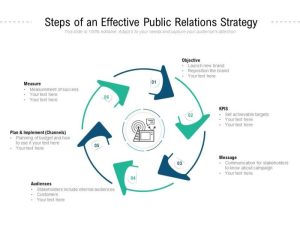
In today’s interconnected world, a strong public image is no longer a luxury—it’s a necessity. Public relations (PR) acts as the bridge between an organization and its various stakeholders, shaping perceptions and fostering trust. From crafting compelling narratives to managing crises effectively, PR plays a pivotal role in building brand reputation, driving business growth, and ensuring long-term sustainability.
This exploration delves into the multifaceted world of PR, examining its core functions, essential tools, and the ethical considerations that underpin its practice.
This examination will cover the strategic planning and execution of PR campaigns, the nuances of media relations, the power of social media engagement, and the crucial role of crisis communication. We’ll also explore how PR contributes to building brand loyalty, navigating challenging situations, and achieving measurable results. The evolving landscape of PR in the digital age, and the ethical responsibilities inherent in the field, will also be discussed.
Public Relations Ethics and Responsibility
Public relations professionals operate in a complex landscape where ethical considerations are paramount. Maintaining trust and credibility requires a steadfast commitment to honesty, transparency, and accountability. Ethical lapses can severely damage an organization’s reputation, leading to significant financial and social consequences. Therefore, a strong ethical framework is essential for the long-term success and sustainability of any public relations endeavor.Ethical considerations in public relations practice encompass a wide range of issues, from the accuracy of information disseminated to the fairness and balance of communications.
Professionals must navigate potential conflicts of interest, ensure the responsible use of data and technology, and uphold the highest standards of professional conduct. This involves a constant self-assessment and a willingness to adhere to a robust code of ethics.
Transparency and Honesty in Public Relations
Transparency and honesty are cornerstones of ethical public relations. Open and honest communication fosters trust with stakeholders, including the media, the public, and clients. Withholding information, manipulating data, or disseminating misleading statements can severely erode this trust and have devastating repercussions. Transparency involves being upfront about an organization’s activities, policies, and potential shortcomings. It means proactively addressing concerns and responding to criticism with honesty and integrity.
For example, a company facing a product recall should immediately and transparently communicate the issue to consumers, outlining the steps taken to rectify the situation. This approach, though potentially challenging in the short term, ultimately builds stronger relationships with stakeholders and mitigates long-term damage.
Examples of Ethical Dilemmas and Their Resolution
Public relations professionals frequently encounter ethical dilemmas. One common scenario involves a client requesting the dissemination of potentially misleading information. For example, a client might want to downplay the negative impacts of a controversial decision. In such situations, the ethical practitioner should refuse to participate in disseminating false or misleading information. Instead, they should engage in open dialogue with the client, explaining the ethical implications of such actions and offering alternative strategies that align with transparency and honesty.
Another dilemma might arise when a PR professional discovers unethical practices within their organization. In such cases, the professional has an ethical obligation to report the issue to the appropriate authorities, potentially within the organization itself or even externally if internal channels prove ineffective. These situations highlight the importance of professional integrity and a willingness to uphold ethical standards even when faced with pressure.
A Code of Conduct for Ethical Public Relations Practice
A robust code of conduct should guide ethical public relations practice. This code should emphasize the following principles:
Accuracy: All communications must be truthful and accurate, avoiding misleading statements or omissions.
Transparency: Information should be openly shared with stakeholders, fostering trust and accountability.
Fairness: All stakeholders should be treated fairly and equitably, avoiding biased or discriminatory communications.
Confidentiality: Sensitive information obtained during the course of work should be protected and not disclosed without proper authorization.
Integrity: Public relations professionals should maintain the highest standards of personal and professional integrity.
Accountability: Public relations professionals should be accountable for their actions and decisions.
Adherence to this code requires continuous self-reflection and a commitment to upholding the highest ethical standards, even when facing challenging situations. It is a responsibility that demands vigilance and a willingness to prioritize ethical considerations above personal gain or client pressure.
The Importance of Public Relations in Non-profit Organizations
Public relations plays a vital role in the success of non-profit organizations. In a competitive landscape vying for limited resources, effective PR helps non-profits build awareness, cultivate donor relationships, attract volunteers, and ultimately achieve their missions. Without a robust PR strategy, even the most impactful work can go unnoticed, hindering their ability to make a meaningful difference.Public relations benefits non-profit organizations by significantly enhancing their visibility and credibility.
A well-executed PR plan increases public awareness of the organization’s mission and activities, leading to increased support and funding. Furthermore, strong PR builds trust and strengthens the organization’s reputation, attracting both volunteers and potential donors who align with its values. This, in turn, enables the non-profit to expand its reach and impact.
Strategies for Building Public Awareness and Support
Building public awareness and securing support requires a multifaceted approach. A comprehensive strategy should encompass several key elements, including targeted messaging tailored to different audiences, consistent communication across various channels, and the cultivation of strong relationships with media outlets. Effective storytelling is crucial; highlighting the human impact of the organization’s work resonates deeply with potential donors and volunteers.
Utilizing digital platforms for outreach, particularly social media, is also essential in reaching a broader and more engaged audience. Finally, consistent monitoring and evaluation of the PR efforts are vital to ensure the strategy’s effectiveness and make necessary adjustments.
Examples of Successful PR Campaigns
The ALS Ice Bucket Challenge is a prime example of a highly successful viral PR campaign. This initiative, driven primarily through social media, generated enormous awareness and funding for Amyotrophic Lateral Sclerosis research. The challenge’s simplicity and engaging nature led to widespread participation, resulting in a massive surge in donations and a significant increase in public understanding of the disease.
Another example is the work of the American Red Cross, consistently using compelling storytelling and crisis communication to maintain public trust and secure donations during natural disasters. Their transparent communication and consistent media presence ensure they remain a trusted and reliable source of aid.
Securing Media Coverage for Non-profit Events and Initiatives
Securing media coverage for non-profit events and initiatives involves a proactive approach to media relations. This includes developing compelling press releases that highlight newsworthy aspects of the events or initiatives. These releases should be targeted to relevant media outlets and journalists, emphasizing the human interest angle and the potential impact of the event or initiative. Building relationships with journalists through regular communication and providing them with exclusive information can significantly increase the chances of securing coverage.
Furthermore, offering compelling visuals, such as photographs or video footage, enhances the appeal of the story to media outlets. Finally, actively pitching stories to journalists and proactively responding to media inquiries is crucial in maximizing media coverage.
Public Relations and Stakeholder Engagement
Effective public relations hinges on understanding and nurturing relationships with various stakeholders. Identifying and engaging these key players is crucial for building a positive reputation, achieving organizational goals, and navigating challenges successfully. A proactive and strategic approach to stakeholder engagement fosters trust, loyalty, and ultimately, sustainable success.Stakeholder Identification and Engagement StrategiesIdentifying and engaging key stakeholders is paramount for effective public relations.
Stakeholders are individuals or groups who have an interest in or are affected by an organization’s actions. This includes employees, customers, investors, government agencies, community members, and the media. Understanding their needs, concerns, and expectations is essential for building strong, mutually beneficial relationships. A comprehensive stakeholder analysis, involving research and mapping, allows organizations to prioritize engagement efforts based on influence and impact.
This systematic approach ensures that resources are allocated effectively to build and maintain the most crucial relationships.
Strategies for Building Strong Stakeholder Relationships
Building robust stakeholder relationships requires consistent effort and a genuine commitment to understanding their perspectives. This involves open and transparent communication, active listening, and a willingness to address concerns promptly and effectively. Regular communication channels, such as newsletters, social media updates, and town hall meetings, can keep stakeholders informed and engaged. Providing opportunities for feedback and participation fosters a sense of ownership and collaboration.
Demonstrating a commitment to corporate social responsibility and ethical practices builds trust and enhances reputation. Furthermore, proactively addressing potential issues and crises can mitigate damage and strengthen relationships. Personalized interactions, such as individualized responses to inquiries or tailored communications, can further enhance engagement.
Examples of Successful Stakeholder Engagement Initiatives
Patagonia’s commitment to environmental sustainability has resonated deeply with environmentally conscious consumers, solidifying their brand loyalty. Their transparent supply chain practices and active engagement with environmental advocacy groups have strengthened their relationships with stakeholders across the board. Similarly, Dove’s “Real Beauty” campaign successfully engaged women by challenging traditional beauty standards and promoting body positivity. This initiative resonated with a significant segment of the population, building brand loyalty and trust.
Another successful example is the way that many tech companies engage with their developer communities. By providing open-source tools, hosting hackathons, and actively soliciting feedback, these companies foster a sense of community and collaboration that drives innovation and enhances their brand reputation. These initiatives demonstrate the positive impact of engaging stakeholders authentically and meaningfully.
A Plan for Engaging Different Stakeholder Groups
A comprehensive stakeholder engagement plan should tailor its approach to the specific needs and preferences of each group. For example, engaging employees might involve internal communication strategies such as town hall meetings, regular updates on company performance, and opportunities for feedback and participation in decision-making processes. Employee recognition programs and initiatives that promote a positive work environment can foster loyalty and enhance morale.
Customer engagement could focus on building strong customer service relationships, providing personalized experiences, and actively soliciting feedback through surveys and reviews. Regular updates on new products and services, along with exclusive offers and events, can further strengthen customer loyalty. Investor engagement might involve detailed financial reports, regular investor calls, and proactive communication about company performance and strategic initiatives.
Maintaining transparency and building trust are crucial for investor confidence. Finally, engaging the local community might involve sponsoring local events, participating in community initiatives, and establishing open communication channels to address local concerns.
Ultimately, the importance of public relations cannot be overstated. It is a dynamic field requiring adaptability, strategic thinking, and a deep understanding of human behavior. By mastering the art of communication, building relationships, and managing reputation effectively, organizations can leverage PR to achieve their business objectives, build lasting connections with stakeholders, and contribute positively to society. A proactive and ethical approach to PR is not merely beneficial; it’s essential for navigating the complexities of the modern business environment and ensuring sustainable success.
Clarifying Questions
What is the difference between PR and Marketing?
While both aim to build brand awareness, PR focuses on building and maintaining a positive public image through earned media (e.g., media coverage), while marketing uses paid media (e.g., advertising) to promote products or services.
How can I measure the ROI of a PR campaign?
Measuring PR ROI requires tracking key performance indicators (KPIs) such as media mentions, website traffic, social media engagement, and changes in brand sentiment. Qualitative measures like improved brand reputation and increased stakeholder trust should also be considered.
What are some common PR mistakes to avoid?
Common mistakes include a lack of strategic planning, ignoring negative feedback, inconsistent messaging, and failing to track and measure results. Insufficient understanding of target audiences and neglecting ethical considerations are also crucial pitfalls.